
Description
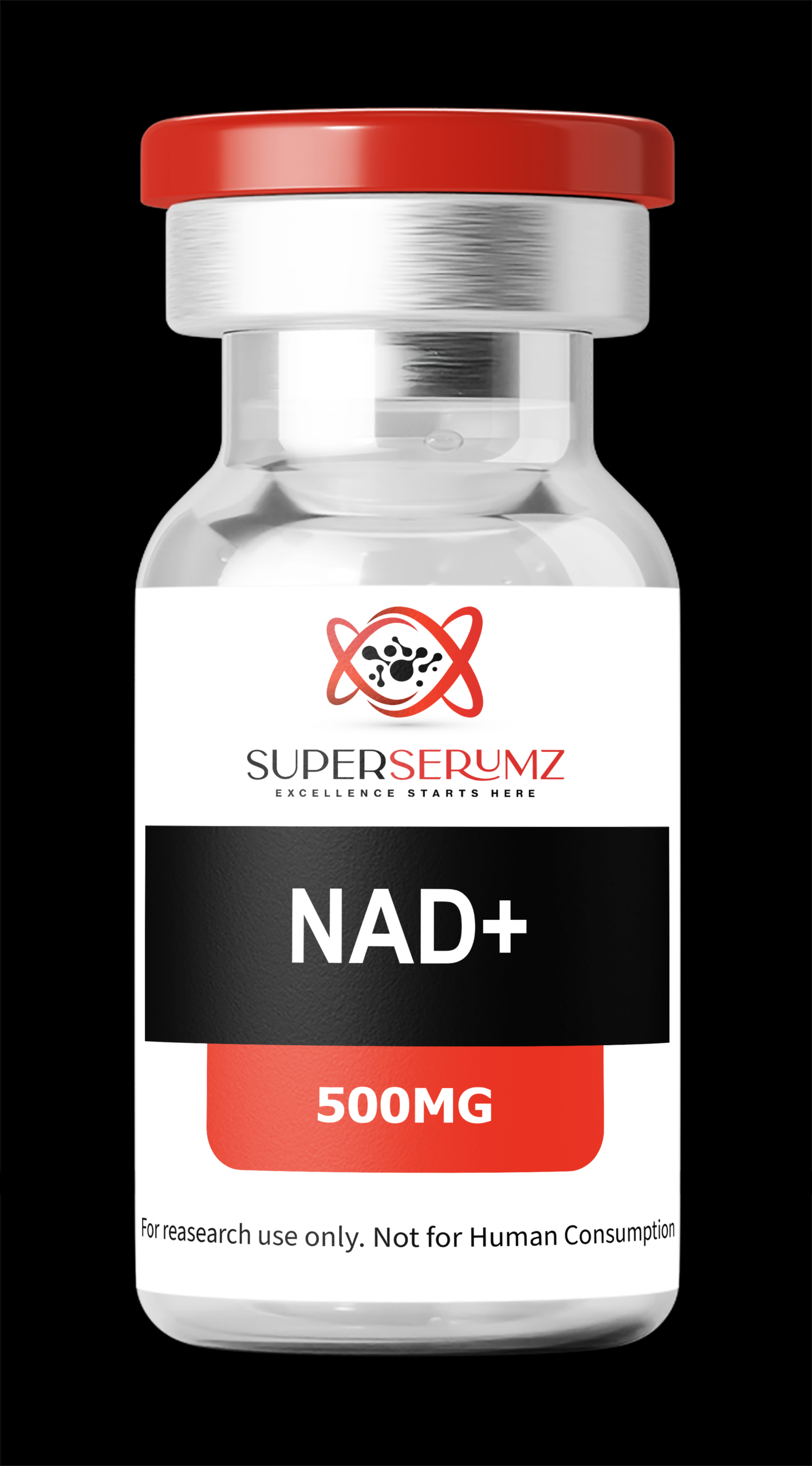
Nicotinamide adenine dinucleotide, commonly abbreviated as NAD+, is a naturally occurring coenzyme present in living cells. It participates in oxidation-reduction reactions by transferring electrons between molecules and also serves as a substrate for several enzyme systems involved in cellular signaling and metabolic regulation. PubChem identifies NAD+ as the oxidized form of nicotinamide adenine dinucleotide.
NAD peptides are a search term commonly associated with laboratory products used in cellular metabolism research, although NAD+ itself is a dinucleotide coenzyme rather than a peptide. NAD research examines its involvement in redox reactions, mitochondrial metabolism, cellular energy pathways, sirtuin activity, and NAD-dependent enzyme systems. NAD plus research may also investigate how NAD+ availability changes across different cellular conditions and experimental models.
Features
- Full Name: Nicotinamide adenine dinucleotide
- Abbreviation: NAD+
- Classification: Dinucleotide coenzyme
- Biological State: Oxidized form of NAD
- Molecular Formula: C21H28N7O14P2+ for NAD+ as represented in PubChem records
- Research Focus: Cellular metabolism, redox reactions, mitochondrial pathways, NAD-dependent enzymes, and cellular signaling
- Laboratory Application: Biochemical, metabolic, enzymatic, and mitochondrial research
- Format: Research material supplied according to product specifications
- Storage: Follow the product label and batch-specific documentation
Disclaimer: Supplied strictly for laboratory research. Not intended for human or veterinary use, administration, consumption, diagnosis, treatment, or therapeutic purposes
Reviews
There are no reviews yet.