

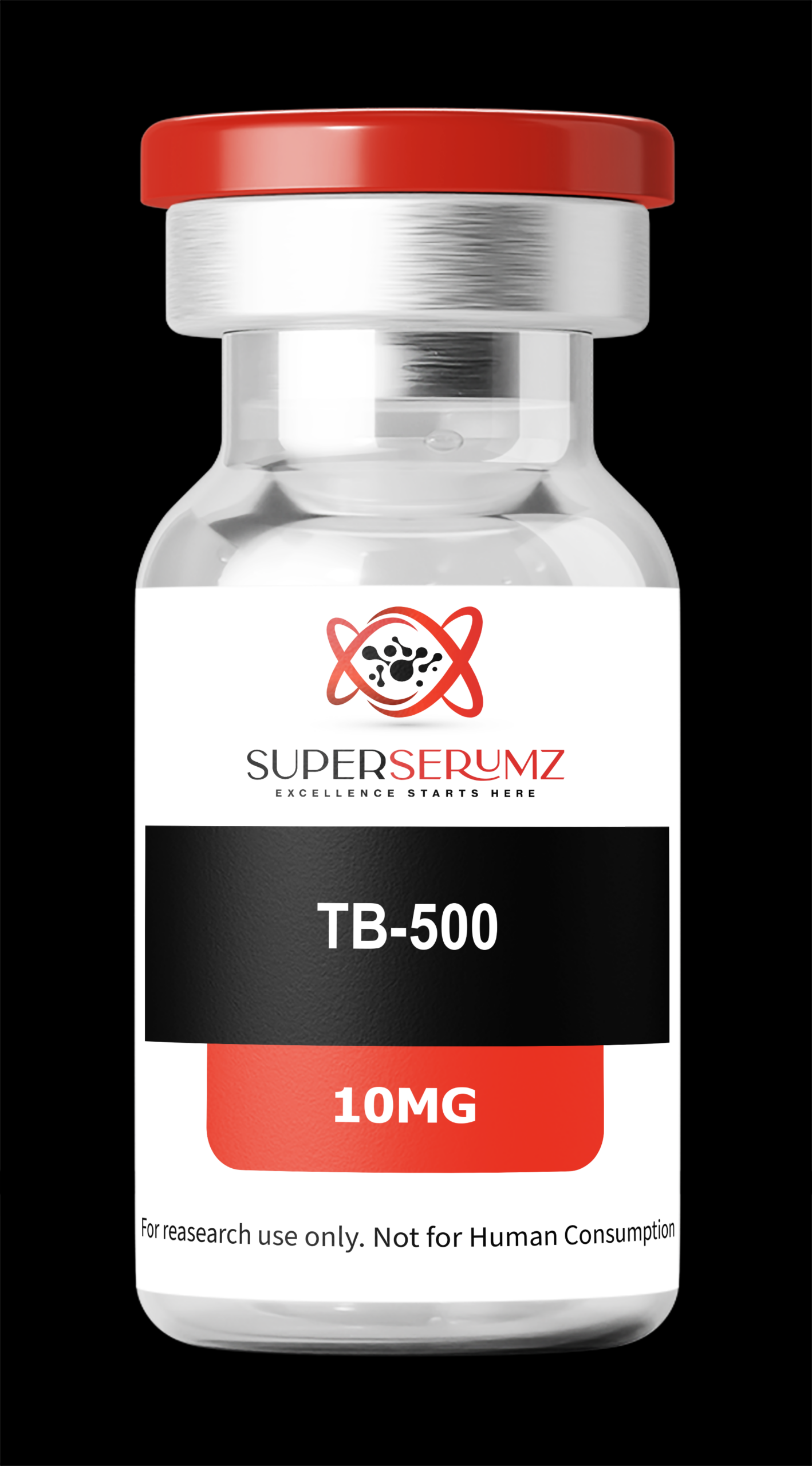
Description
TB 500 peptide is commonly identified in research literature as the N-terminally acetylated thymosin beta-4 fragment Ac-LKKTETQ. This seven-amino-acid sequence corresponds to residues 17-23 of thymosin beta-4 and has been identified as an actin-binding region associated with cellular migration and related experimental processes.
TB 500 research primarily examines the biochemical and cellular behavior of this thymosin beta-4-derived fragment in laboratory and preclinical systems. Reported experimental areas include actin-related signaling, cell migration, angiogenesis-associated pathways, and wound-response mechanisms. Discussions of TB 500 peptide benefits should therefore remain limited to observations from laboratory or preclinical research rather than claims of established outcomes in humans. FDA states that it has not identified human exposure data sufficient to establish the safety of thymosin beta-4 fragment products.
Features
- Composition: Synthetic thymosin beta-4 fragment
- Sequence: Ac-LKKTETQ
- Peptide Length: 7 amino acids
- Parent Protein Region: Residues 17-23 of thymosin beta-4
- Structural Modification: N-terminal acetylation
- Research Classification: Thymosin beta-4-derived peptide fragment
- Research Focus: Actin-associated activity, cellular migration, angiogenesis-related pathways, and experimental wound-response mechanisms
- Format: Supplied as lyophilized research material
- Regulatory Research Context: FDA has evaluated TB-500-related bulk substances in connection with wound-healing research and has noted limited human safety information.
- Recommended Storage: −20 °C unless otherwise specified by batch documentation
Disclaimer: Supplied strictly for laboratory research. Not intended for human or veterinary use, administration, consumption, diagnosis, treatment, or therapeutic purposes.
Reviews
There are no reviews yet.